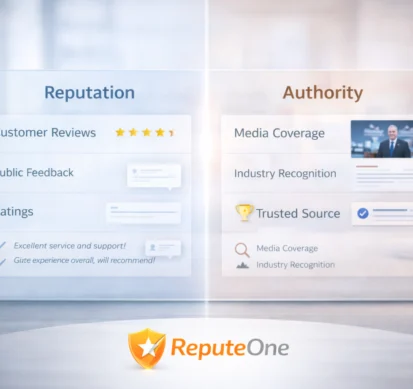

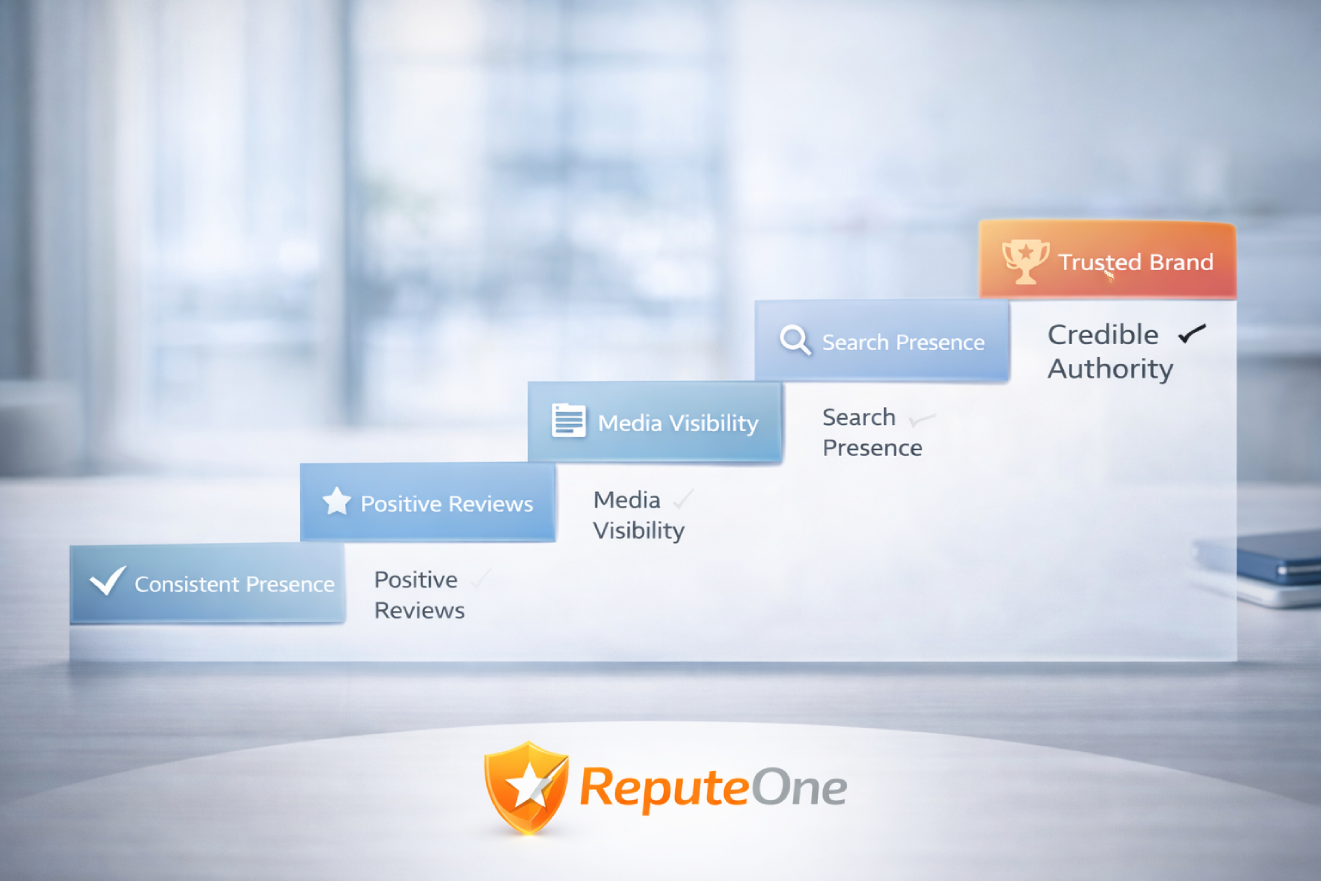
Trust is one of the most valuable assets a brand can have. In a digital environment where customers often research online before making decisions, credibility can influence whether someone chooses your business or moves on to a competitor. Search results, reviews, professional profiles, and media mentions all contribute to how trustworthy a brand appears. Building credibility online requires consistency, transparency, and meaningful engagement with your audience.
Below are ten practical ways businesses and professionals can strengthen trust and credibility for their brand online.
1. Keep Your Online Information Accurate
Customers expect reliable information when they search for a business. Ensuring that your contact details, services, and descriptions are accurate across websites and profiles helps establish professionalism and reliability.
2. Encourage Authentic Customer Reviews
Customer feedback plays a major role in how others evaluate your brand. Positive and genuine reviews help demonstrate the quality of your products or services and create confidence among potential clients.
3. Respond to Feedback Responsibly
Responding to customer feedback shows that your brand values communication and transparency. Professional responses to both positive and negative reviews reflect accountability and customer care.
4. Maintain a Consistent Brand Identity
Consistency across digital platforms helps people recognize and trust your brand. Using a clear voice, visual identity, and messaging ensures that audiences receive a reliable and professional impression.
5. Share Valuable Content
Providing helpful insights, articles, or educational resources demonstrates expertise within your industry. When audiences learn something useful from your content, they are more likely to view your brand as credible and knowledgeable.
6. Build Visibility on Trusted Platforms
Being present on reputable websites, directories, or professional platforms strengthens brand legitimacy. Visibility across credible sources signals that your brand is established and recognized within its field.
7. Highlight Achievements and Expertise
Showcasing certifications, awards, partnerships, or professional accomplishments can reinforce credibility. These signals help audiences understand the experience and expertise behind your brand.
8. Engage with Your Audience
Active engagement through comments, messages, or discussions helps create a more approachable brand image. Interaction shows that your business is attentive and committed to building relationships with its audience.
9. Monitor Your Online Presence
Regularly reviewing how your brand appears in search results and online discussions helps you stay informed about public perception. Monitoring allows you to maintain a balanced and accurate digital presence.
10. Focus on Long-Term Reputation
Trust is built gradually through consistent actions and reliable communication. Brands that prioritize transparency, professionalism, and customer satisfaction over time naturally develop stronger credibility.
Conclusion
Building trust and credibility online is not a one-time effort. It requires continuous attention to how your brand communicates, engages with audiences, and maintains its digital presence. By focusing on authenticity, transparency, and consistent communication, businesses and professionals can create a strong reputation that supports long-term growth and meaningful customer relationships.
Repute One, Brand Authority, Brand Credibility, Brand Trust, Customer Trust, Digital Reputation, Online Presence, Online Reputation, Reputation Management,